Welcome to the
VENTURE ZONE
BUS 399: Entrepreneurship Capstone
Winter 2026 • Washington and Lee University
Jay Margalus
What if the goal isn't a "perfect idea"...
...but learning faster than everyone else?
Quick Logistics
- When: Mon & Wed, 8:00–9:30am
- Where: Here!
- Runs: Jan 12 – Apr 10, 2026
- Big Event: Entrepreneurship Summit (Mar 20)
Full syllabus: jaymargalus.com/capstone
What IS This Course?
This capstone is run as a VENTURE STUDIO
You will practice entrepreneurial thinking by working through a design-thinking-style sequence.
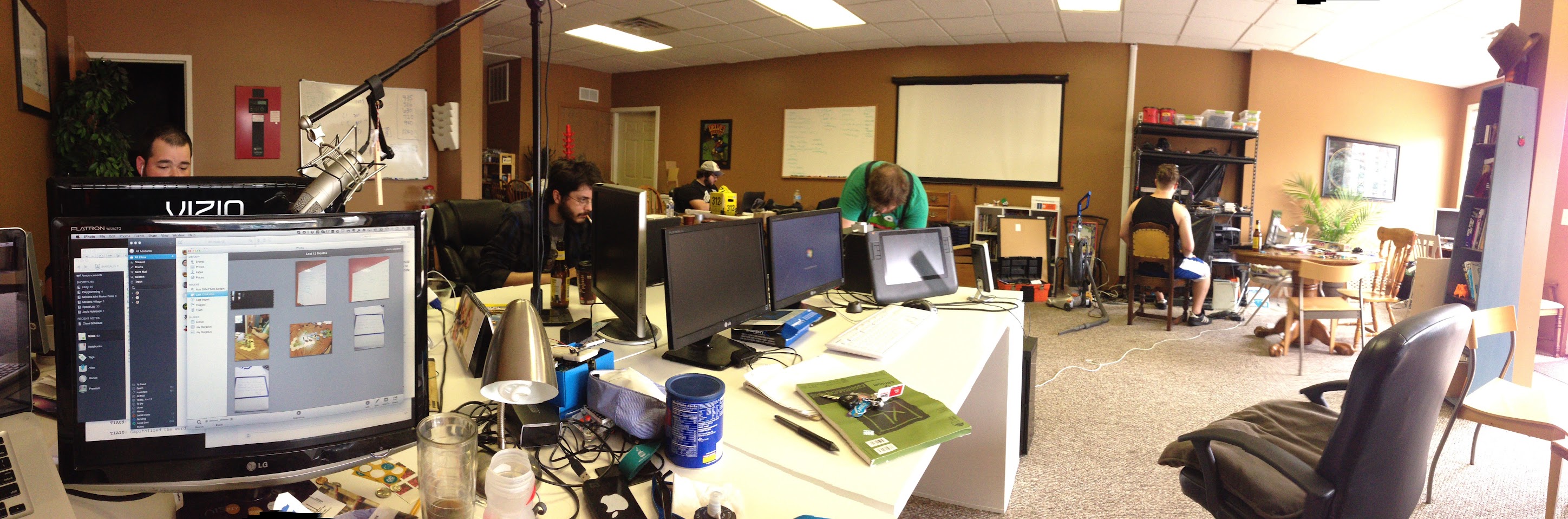
A real venture studio
The Journey
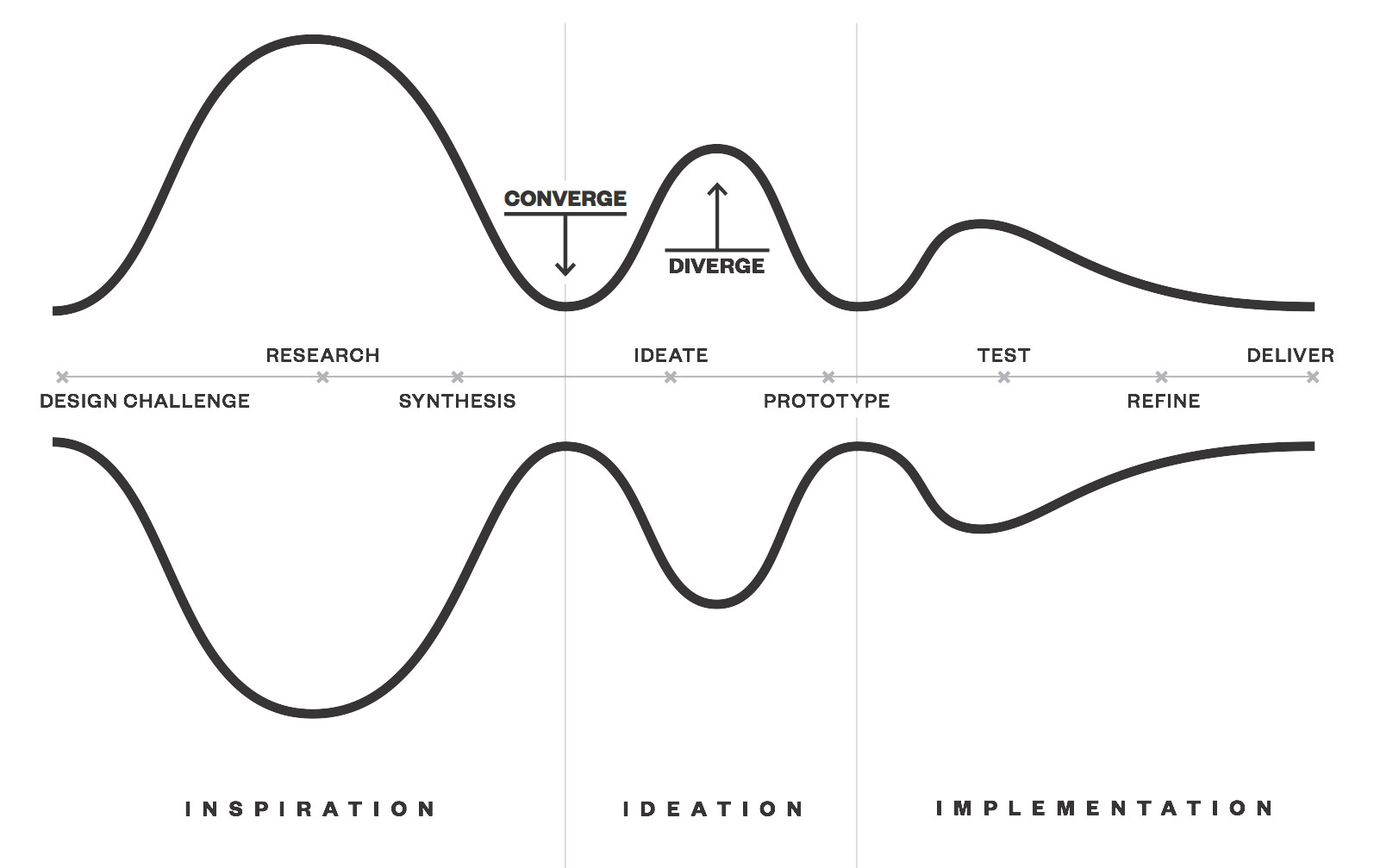
DISCOVER → INTERPRET → IDEATE → PROTOTYPE → SHOWCASE
The Key Mindset
Evidence • Iteration • Reflection
NOT about having a "perfect idea" on day one!
What This ISN'T
- A business plan competition
- A pitch deck factory
- A class where you need THE idea before you start
The best entrepreneurs don't start with answers. They start with questions and curiosity.
Entrepreneurial Thinking
Research shows 7 teachable skills that define entrepreneurial thinking.
More methods than process. I want you to learn to adapt and thrive in evolving, uncertain situations. Antifragility.
Based on: "Entrepreneurial thinking: A signature pedagogy for an uncertain 21st century" (2020)
The 7 Skills (ET-7)
1. Problem Solving
Define → Test → Learn → Iterate
Not solving a problem once, but building a process for continuous problem-solving.
2. Tolerance for Ambiguity
Making decisions with incomplete information
Real problems don't come with answer keys. You'll learn to move forward anyway.
3. Failing Forward
Running fast experiments, extracting signal, pivoting or persevering
Failure isn't the opposite of success. It's data.
4. Empathy
Perspective-taking through interviews, observation, interpreting needs
You can't solve problems for people you don't understand.
5. Creativity with Limited Resources
Scrappy prototyping, using what you've got
Constraints breed creativity. You'll build with paper, cardboard, and imagination before code or capital.
.jpg)
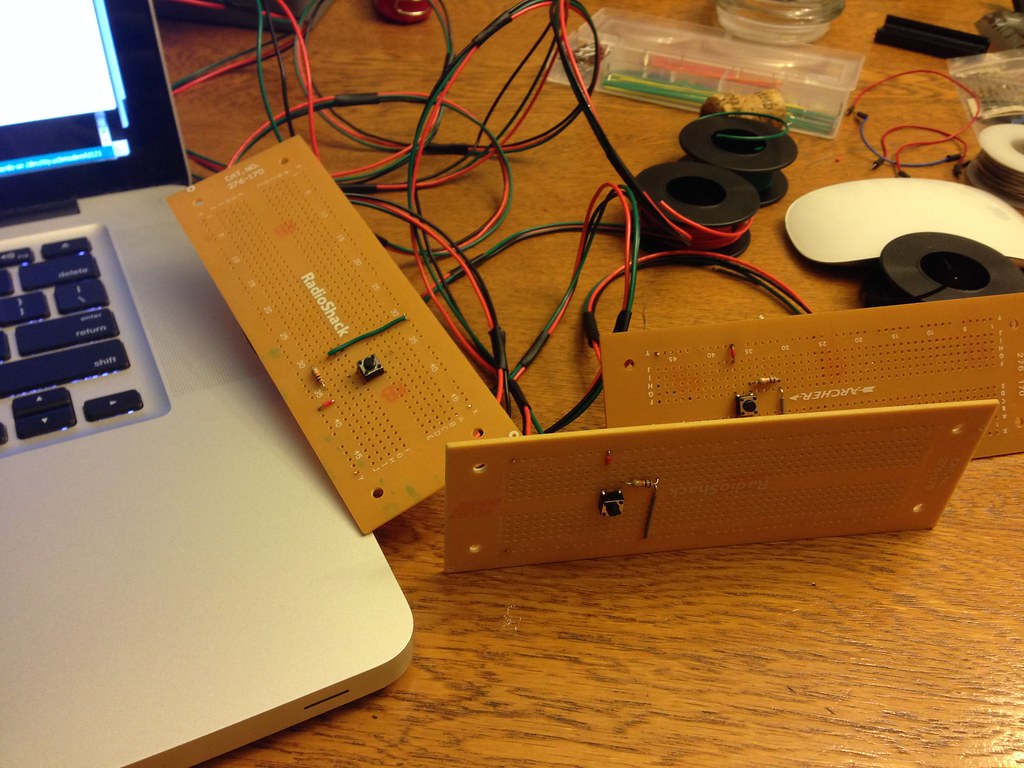
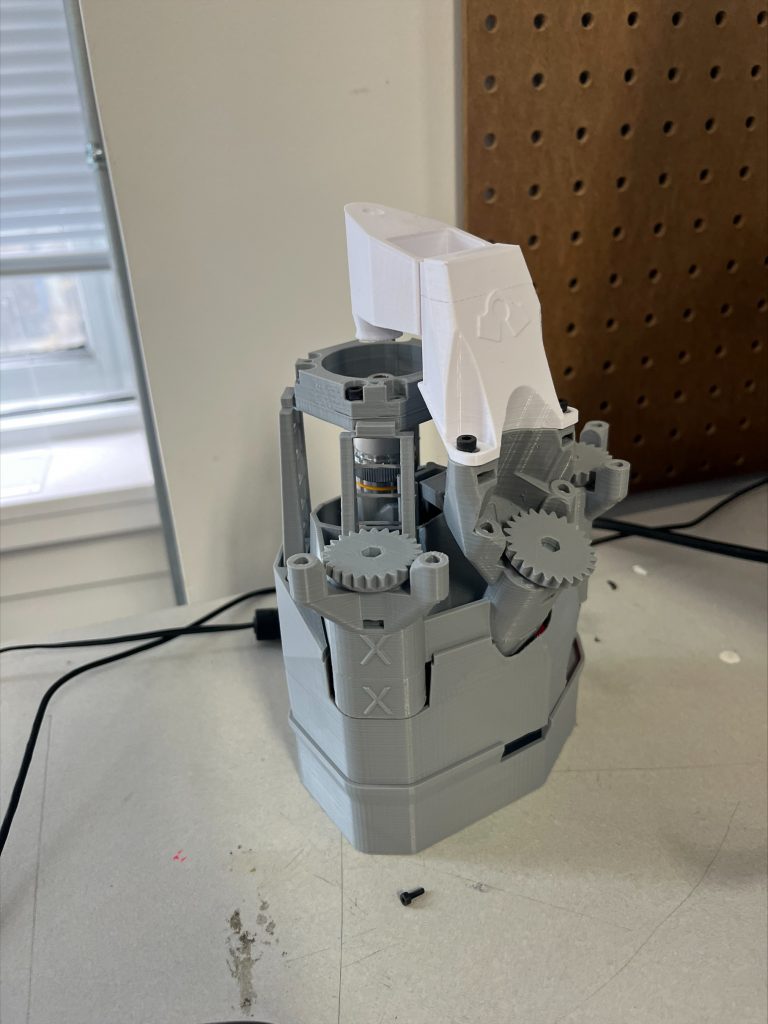
Real prototypes: handheld console, custom game controller (featured on Venus Patrol!), microscope
6. Responding to Critical Feedback
Iterating based on peer/advisor/customer input
Your ideas will get critiqued. A lot. That's a feature, not a bug.
7. Teamwork
Roles, accountability, constructive conflict
Great ventures are built by teams that can disagree productively and hold each other accountable.
Weekly Rhythm
| Before Monday | Complete assigned readings + prep |
| Monday Class | Workshop + studio time + critique |
| Before Wednesday | Any additional readings for Wed |
| Wednesday Class | Workshop + studio time + critique |
| Friday (no class) | Venture Log + deliverables due |
Let's Practice: Design Thinking
"You are not designing a gift.
You are designing a moment of meaning."
Pair up with someone you don't know well.
Assign roles: Partner A and Partner B
Both of you will interview AND build.
Part 1: Interview (10 min)
EMPATHIZE
Round 1 (5 min): A interviews B
Round 2 (5 min): B interviews A
Starter questions:
- "Tell me about a recent moment that really mattered to you."
- "What's something small that consistently improves your day?"
- "What's an ongoing frustration you've normalized?"
Interview Constraints
No solutioning.
Ask "why?" at least twice.
Capture quotes verbatim.
Part 2: Synthesis (4 min)
DEFINE
Step away and write:
- 1 key insight (latent, not obvious)
- 1 design intent: "How might I ___ so that ___?"
Example:
Insight: They feel calm when routines feel intentional.
Intent: Create a ritual that makes mornings feel chosen, not rushed.
Part 3: Build (5 min)
PROTOTYPE
Create a representational prototype for your partner.
It can be:
- Symbolic (represents an idea)
- Instructional (shows how something works)
- Performative (acts out an experience)
Rule: If it looks "nice," you're probably overbuilding.
Part 4: Share & Feedback (6 min)
TEST
3 min each. Giver explains:
- The insight
- The intent
- The artifact
Recipient responds:
- "What feels accurate?"
- "What feels off?"
- "What surprised me?"
No defense allowed!
Debrief
- Where did listening change the outcome?
- What assumptions were wrong?
- How did constraints help?
Tie-ins for this term:
Customer discovery • Value propositions • Early-stage product definition
"Solution ≠ Value"
You just ran the design-thinking cycle:
Empathize → Define → Prototype → Test
This is the loop you'll run dozens of times this term.
The best entrepreneurs iterate fast and listen hard.
Grading: Bundles
Work is assessed Satisfactory / Needs Revision
Final grades = completing bundles of work.
+ 10/12 Venture Logs
+ 2 Mastery Options
+ 2 more Mastery Options
(4 total)
How We Evaluate
Every deliverable is assessed on 5 dimensions:
Satisfactory = all 5 met. Needs Revision = any dimension missing.
Flexibility Tokens
You start with 2 tokens!
Use a token to:
- Submit something late (up to 72 hours)
- Revise and resubmit after an unsatisfactory mark
Required Books (3)
Sprint 1 (Jan-Feb)
"Your Music and People"
Derek Sivers
Sprint 2 (Feb-Mar)
"Business Secrets of Drug Dealing"
Taibbi & Harris
Sprint 3 (Mar-Apr)
"Co-Intelligence"
Ethan Mollick
Free Tools!
You'll receive paid access to:
Build fast. Ship faster. On us!
This Week
By Wednesday:
- Read ~1/4 of "Your Music and People"
- Mark 5 passages that resonate
- Come with 1 idea you want to test
Friday Jan 16:
- First Venture Log due
- Include your Gift Plan + recipient rationale
Venture Log
Your running notebook of evidence:
- Interview notes
- Experiments & results
- Decisions & rationale
- Reflection
- "Reading-to-doing" connection
Full specs: jaymargalus.com/capstone/deliverables.html
Studio Norms
Let's co-create 3-5 norms for how we'll work together.
Some examples to consider:
- "Critique the work, not the person"
- "Test, don't debate"
- "Evidence over opinion"
- "Cameras on = present"
What matters to YOU?
Let's Build Something
Questions?
jaymargalus.com/capstone